
Introduction
Estimated reading time: 8 minutes
Many inventors ask a very reasonable question: does a provisional patent protect your idea? The short answer is yes, but only in a limited way. A provisional patent application can help secure your filing date and let you use “patent pending,” but it does not give you an enforceable patent by itself. In other words, it can hold your place in line, but it is not the finish line.
That distinction matters because many inventors assume a provisional filing is a quick protective shield for an idea. It is better to think of it as a strategic first step in the patent process. Used well, it can be extremely helpful. Used casually, it can create a false sense of security, which is not the kind of surprise anyone wants from a government filing.
What Is a Provisional Patent?
A provisional patent application, often called a PPA, is a temporary patent filing submitted to the U.S. Patent and Trademark Office, or USPTO. It describes your invention and establishes an early filing date. That filing date can become important later if you file a full patent application based on the same invention.
A provisional application is not examined by the USPTO, and it does not turn into a patent on its own. Think of it as reserving your spot in line while you continue developing the invention, testing the market, raising money, or preparing the more complete non-provisional application. A non-provisional application is the regular patent application that the USPTO examines and that can eventually become an issued patent.
See our guide on How much does a provisional patent cost in total?
What Protection Does It Provide?
Secures Your Priority Date
The biggest benefit of a provisional application is that it can establish an early priority date. A priority date is the date you can point back to as the date your invention was filed with the patent office. If someone else files later for the same or a very similar invention, your earlier filing date may help show that you were first in line.
Allows “Patent Pending” Status
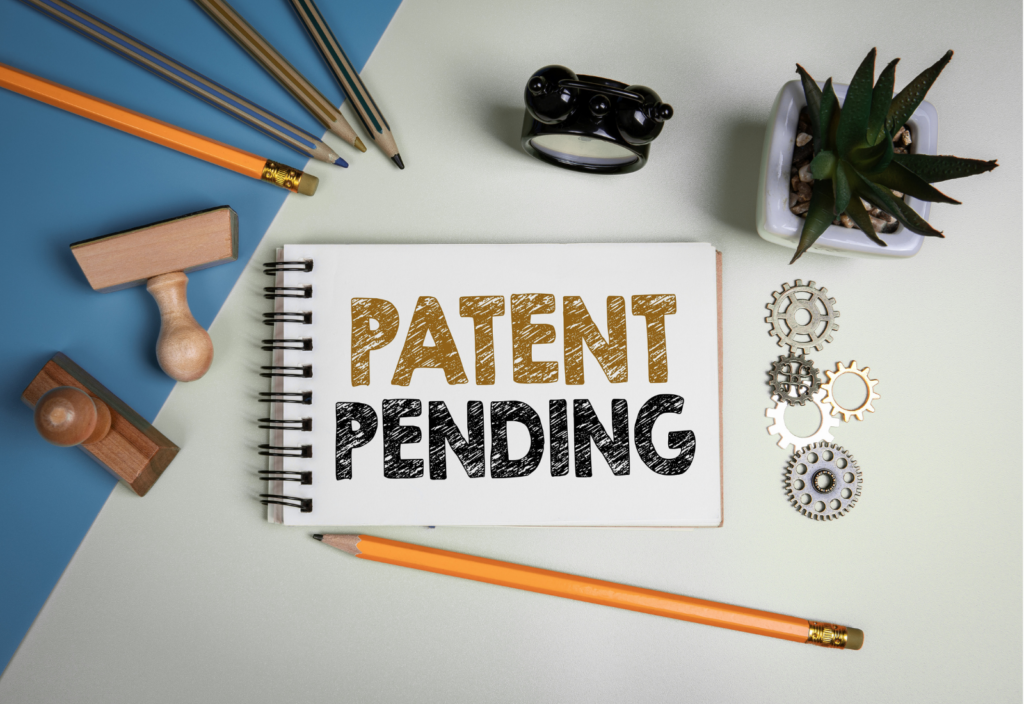
Once your provisional application is filed, you can generally describe the invention as “patent pending.” That phrase does not mean the USPTO has approved anything, but it does tell others that you have started the patent process. For some competitors, investors, manufacturers, or potential partners, that can make the invention look more serious and less like a napkin sketch with ambition.
Supports Later Applications
A well-drafted provisional application can support the claims in a later non-provisional application. In patent language, “claims” are the numbered sentences at the end of a patent application that define the legal boundaries of the invention. For those later claims to benefit from the provisional filing date, the provisional must describe the invention clearly and thoroughly enough. A thin or vague provisional may not provide the support you need when it matters.
See our guide on Provisional vs. Non-Provisional: How a USPTO Patent Search Protects Your Invention.
What It Does Not Do
A provisional application does not give you the right to sue someone for infringement. Patent infringement means making, using, selling, offering to sell, or importing a patented invention without permission. Because a provisional application is not an issued patent, it does not create enforceable rights by itself.
It also does not get reviewed or approved by the USPTO. The patent office accepts the filing, but it does not examine the provisional for patentability. There is no allowance, no rejection, and no official thumbs-up that says the invention is new or non-obvious.
Finally, a provisional application expires after 12 months. To keep moving toward patent protection, you must file a non-provisional application within that one-year window and properly claim priority to the provisional. If you miss the deadline, the provisional does not sit patiently in a file cabinet waiting for you. It is done.
Steps to Use a Provisional Patent Effectively
A provisional application works best when it is treated as a serious patent document, not a rough placeholder. Before filing, take time to describe how the invention works, what problem it solves, what variations are possible, and how someone would make and use it. Drawings, examples, flowcharts, screenshots, and technical details can all help, depending on the type of invention.
After filing, the next step is planning ahead. The 12-month deadline arrives faster than most people expect, especially when prototypes, investor calls, product changes, and life in general are competing for attention. If international protection may matter, that should also be considered early because foreign filing rules can be unforgiving.
- Describe the invention thoroughly, including key variations and examples.
- File before public disclosure whenever possible, especially before publishing, selling, or pitching broadly.
- Calendar the 12-month deadline for the non-provisional application.
Why Professional Help Matters
Patent Agent Cost vs Attorney Cost
Working with a U.S. patent agent is often more affordable than hiring an intellectual property attorney. A patent agent is a professional registered to practice before the USPTO in patent matters. A patent attorney can also handle patent matters, but is additionally licensed as an attorney and may provide broader legal services.
For many provisional applications, patent agent drafting fees may fall roughly in the $1,500 to $3,500 range depending on complexity, while patent attorney fees may be closer to $2,500 to $5,000 or more. The right choice depends on the invention, the legal issues involved, and how much strategic guidance you need.
Searching for a patent agent near me? Here’s what matters more.
Drafting Quality
A provisional application can be inexpensive compared with a full patent application, but it should not be treated as disposable. The quality of the disclosure can affect whether your later claims receive the benefit of the earlier filing date. If the provisional leaves out key technical details, important alternatives, or enough explanation of how the invention works, the later non-provisional may have less support than expected.
Common Misconceptions
One common misconception is that a provisional patent fully protects an idea. It does not. It protects your filing date for what you actually disclose, and only if you later follow through properly.
Another misconception is that you can file a provisional and skip the non-provisional application. Unfortunately, the patent system is not that generous. Without a timely non-provisional filing, the provisional expires.
A third misconception is that any description is good enough. A vague summary may feel useful at the time, but it can create problems later. The provisional should describe the invention in enough detail that the later patent application has something solid to stand on. Otherwise, your future claims may be trying to build a house on a folding chair.
Have an idea worth protecting?
Protecting your ideas doesn’t have to be overwhelming. We’ll help you understand your options and build a strong patent strategy. Get expert guidance from a former USPTO examiner. With over a decade of experience, our patent agents provide personalized support and guidance every step of the way. From the first consultation to long‑term intellectual property protection, our mission is to simplify the process and safeguard your innovations. Crafted IP specializes in software, artificial intelligence, graphical user interfaces (GUI), autonomous vehicles, drones, robotics, and navigation system patent applications.
Conclusion
So, does a provisional patent protect your idea? It protects your priority date and allows you to claim “patent pending,” but it does not give enforceable rights. To move toward true patent protection, you need to file a non-provisional application within 12 months and make sure the provisional application contains enough detail to support that later filing. Working with a US patent agent or intellectual property attorney ensures your provisional is strong enough to support future claims and provide real intellectual property protection.
A provisional application can be a smart first step, especially when you are still refining the invention or preparing for a larger filing. The key is to treat it as part of a strategy, not a shortcut. A strong provisional gives your later application a better foundation, and in patent work, foundations matter.
Frequently Asked Questions
Does a provisional patent protect software inventions?
Yes, a provisional application can be used for software inventions, but software patenting can be more nuanced than many people expect. The application should usually explain the technical problem being solved and the technical improvement provided by the software, rather than describing only a business idea or desired result. This is especially important because software-related inventions may face eligibility issues under U.S. patent law.
Can I enforce a provisional patent?
No. A provisional application cannot be enforced by itself. Only an issued patent can provide enforceable rights. The provisional is best understood as a foundation for a later patent application, not as the finished building.
Is a provisional patent worth the cost?
A provisional patent application can be worth the cost if it is drafted thoughtfully and used as part of a real patent strategy. It can give you time to refine the invention, test the market, speak with investors, or prepare a stronger non-provisional application while preserving an earlier filing date.
See our guide on Is a provisional patent worth it? Pros, Cons, and Smart Next Steps.